
A well-planned packing list can make your Tanzania safari both comfortable and enjoyable. The key to packing for a safari is versatility and practicality. You’ll want to be prepared for a variety of conditions, from early morning game drives in cool temperatures to hot midday sun, as well as the occasional rain shower. Here’s a comprehensive guide to help you pack for your safari adventure:
1. Clothing
While on safari, lightweight, breathable clothing in neutral tones is ideal. Tanzania’s climate can vary from hot days to cool nights, so it’s important to pack layers.
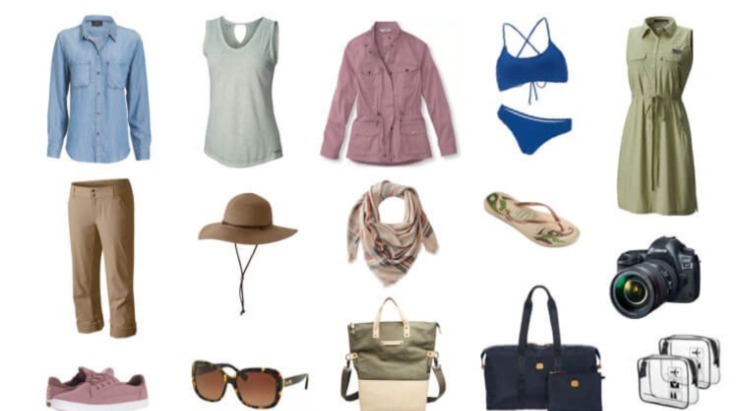
Safari Shirts and Trousers: Lightweight, long-sleeved shirts and trousers in neutral colors like khaki, beige, and olive help you blend into the surroundings while protecting against the sun and insects. Convertible pants that can turn into shorts are also convenient.
T-shirts and Shorts: Comfortable clothing for relaxing at the lodge or during warm afternoon drives.
Warm Layers: Evenings and early mornings can be quite chilly, especially during game drives. Pack a fleece jacket or sweater, along with a lightweight windbreaker or jacket.
Hat: A wide-brimmed hat or cap is essential to shield your face and neck from the intense African sun.
Rain Jacket: A waterproof jacket or poncho is helpful, especially if you’re visiting during the rainy season or doing any hikes.
Footwear:
- Comfortable Walking Shoes: Lightweight, closed-toe shoes or hiking boots for walking safaris or exploring the lodges.
- Sandals: Comfortable sandals for lounging at your camp or lodge after a day of adventure.
Swimwear: Some safari lodges have pools, so pack swimwear for a refreshing dip between game drives.
2. Accessories
Sunglasses: Polarized sunglasses to protect your eyes from the glare and dust.
Bandana or Scarf: Useful for protecting your face from dust during game drives and keeping warm during cooler mornings.
Daypack: A small, lightweight backpack to carry essentials like your camera, water bottle, and sunscreen during game drives.
Binoculars: High-quality binoculars enhance your game-viewing experience, allowing you to spot wildlife from a distance.
Camera and Gear: Don’t forget to pack your camera, extra batteries, and memory cards to capture those stunning wildlife moments. A zoom lens is also a great addition for photographing animals from a distance.
3. Health and Personal Care
Sunscreen and Lip Balm: The African sun can be intense, so high-SPF sunscreen and lip balm with sun protection are must-haves.
Insect Repellent: Tanzania’s safari areas, especially around lakes and rivers, can have mosquitoes and other insects. An effective insect repellent will help keep them at bay.
Personal Medications: If you take any medications, ensure you bring enough for the duration of your trip. It’s also a good idea to pack a basic first aid kit with band-aids, antiseptic cream, painkillers, and motion sickness tablets for game drives.
Hand Sanitizer and Wet Wipes: Handy for quick clean-ups when you’re out in the bush.
Toiletries: Bring travel-sized versions of your usual toiletries, including toothbrush, toothpaste, deodorant, shampoo, and soap.
4. Documents and Money
Passport and Visa: Ensure your passport is valid for at least six months beyond your travel dates, and check visa requirements for Tanzania.
Travel Insurance: Comprehensive travel insurance is essential for covering unexpected medical expenses, trip cancellations, or lost luggage.
Cash and Credit Cards: Bring some US dollars for tips and incidental purchases, and carry a credit card for larger expenses. Most lodges and camps accept credit cards, but it’s useful to have cash for tips and smaller markets.
Vaccination Certificate: If required, carry proof of your yellow fever vaccination. It’s also wise to consult with a travel clinic about malaria prophylaxis.
5. Technology and Extras
Power Bank: Some safari lodges may have limited access to electricity, so bringing a power bank will ensure your phone or camera stays charged.
Universal Power Adapter: Tanzania uses British-style three-prong plugs, so a universal power adapter is helpful for charging your electronics.
Notebook and Pen: Jot down your experiences, wildlife sightings, or new Swahili words you pick up along the way.
6. Optional Items
Travel Pillow and Blanket: Game drives can sometimes be long, and a travel pillow or light blanket can add extra comfort.
Guidebook or Field Guide: A wildlife or birdwatching guide can enhance your safari experience by helping you identify the animals you see.
Snacks: While meals are provided on safaris, having some snacks like energy bars or trail mix is handy for long drives.
Packing Tips
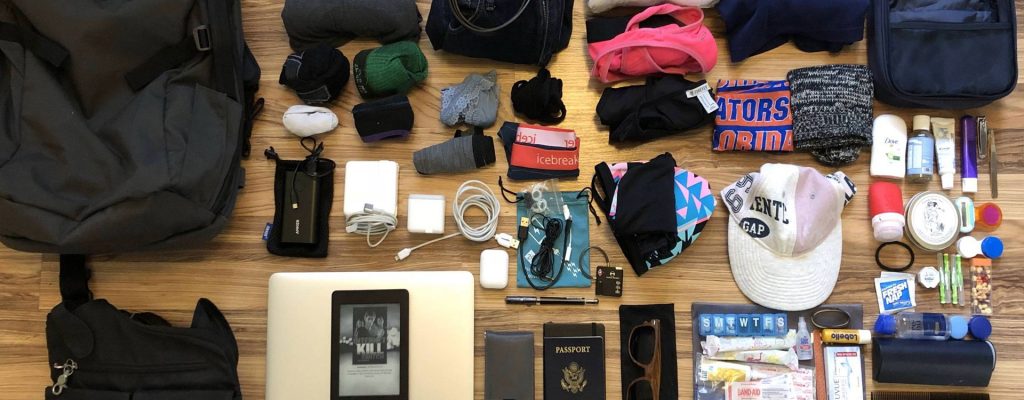
Soft-Sided Bags: Use a soft-sided duffel bag rather than a hard suitcase, especially if you’re flying on small planes, as space can be limited.
Pack Light: Many safari lodges offer laundry services, so you can pack fewer clothes and wash as needed.
This packing list ensures you’re well-prepared for a thrilling and comfortable Tanzania safari, whether you’re venturing into the Serengeti, exploring the Ngorongoro Crater, or relaxing by Lake Manyara. Keep it light, practical, and ready for adventure!