Tarangire National Park - Elephant Paradise

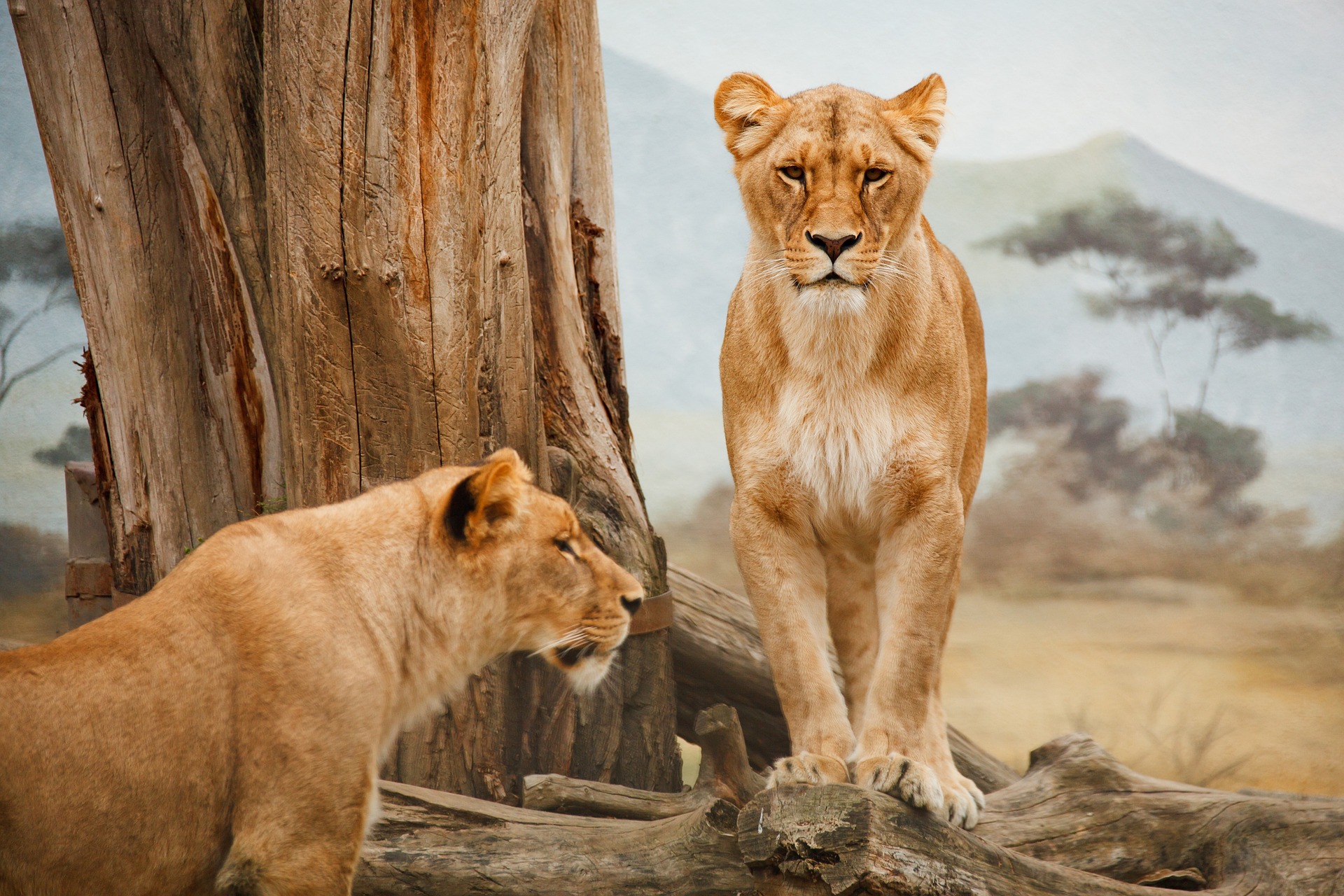
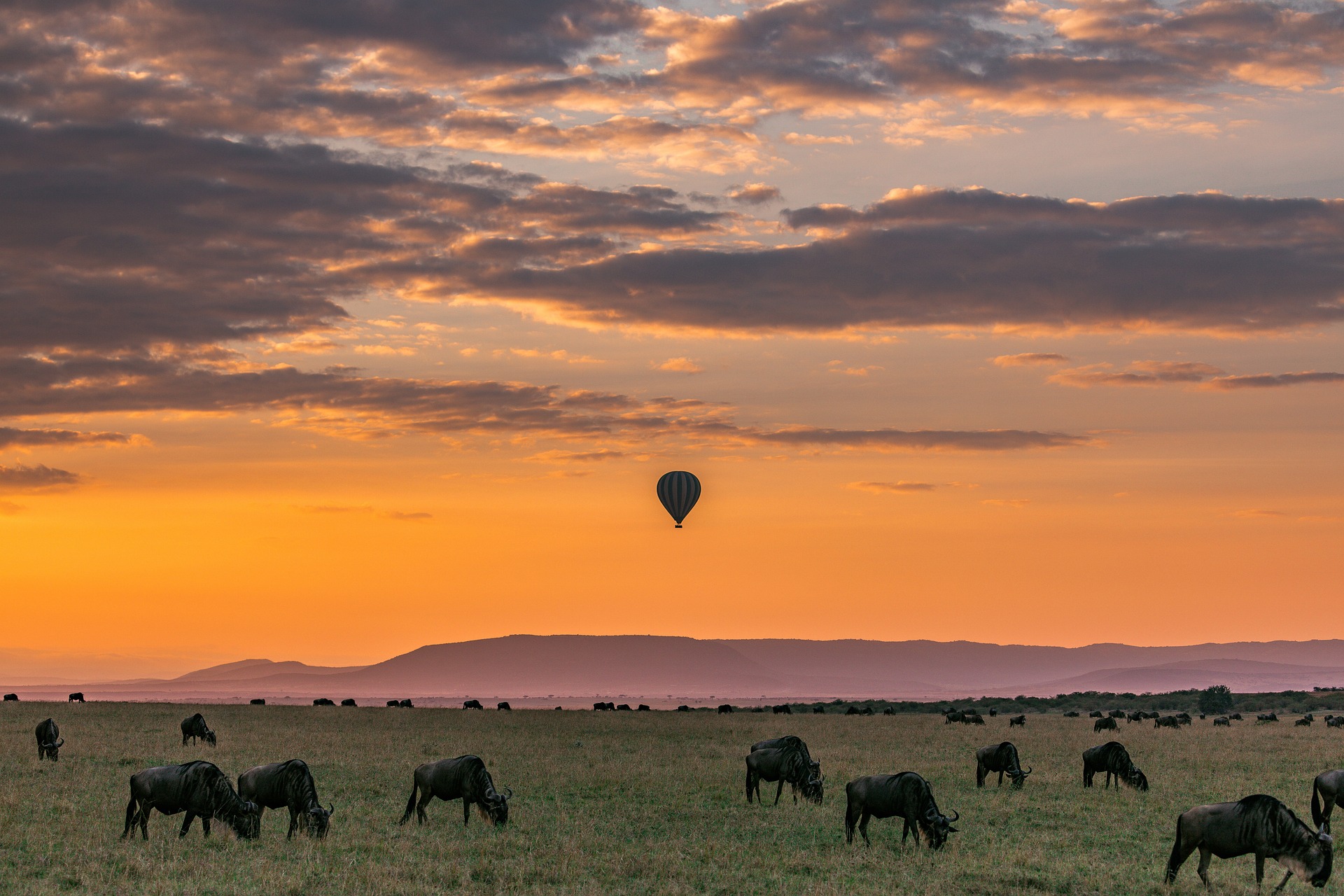
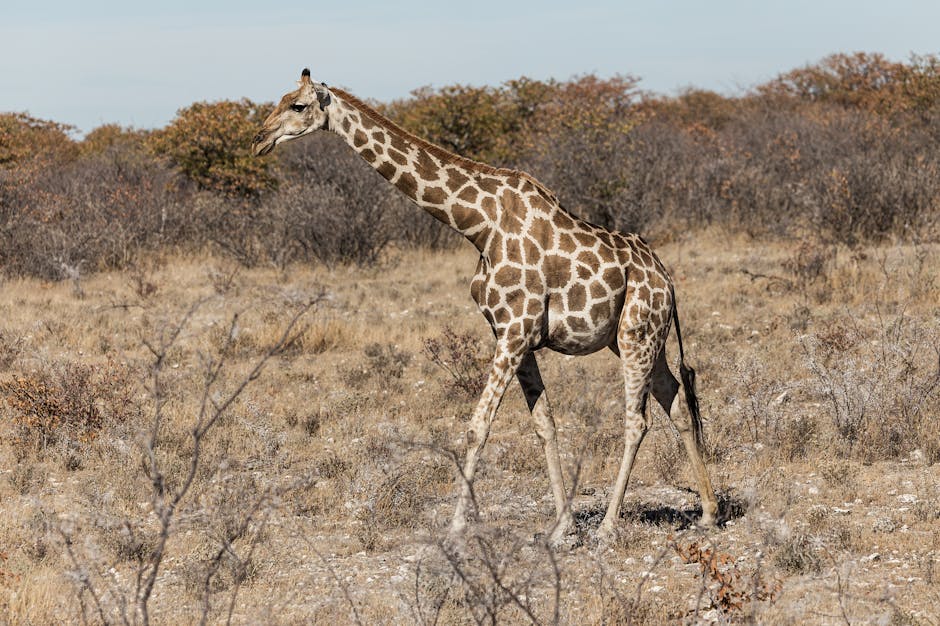
Tarangire National Park, located in northern Tanzania, is renowned for its vast elephant herds and iconic baobab trees that dominate the landscape. Covering approximately 2,850 square kilometers (1,100 square miles), it is the sixth-largest national park in Tanzania. The park is defined by the Tarangire River, which acts as a vital water source during the dry season, attracting a wide array of wildlife such as elephants, zebras, wildebeests, buffaloes, and giraffes. This seasonal migration, combined with resident animals like lions, leopards, and cheetahs, makes Tarangire a year-round wildlife haven. The park is also home to over 550 bird species, making it a paradise for birdwatchers.

During the dry season, from June to October, Tarangire experiences a large influx of animals, as they migrate from other parts of the Maasai Steppe in search of water. The concentration of wildlife around the river during this time offers spectacular game viewing opportunities. In contrast, the wet season transforms the park into a lush green landscape, though wildlife tends to disperse. Tarangire’s unique features, such as the ancient baobabs, termite mounds, and diverse wildlife, provide a more intimate and off-the-beaten-path safari experience compared to the more famous Serengeti and Ngorongoro Crater.

Tarangire National Park Highlights

Explore Our Favourite Itineraries

Where you'll stay?

Tarangire National Park offers a variety of accommodation options, ranging from luxury lodges to tented camps and budget-friendly campsites. Some popular choices include Tarangire Treetops, where guests stay in elevated rooms surrounded by wildlife, and Tarangire Safari Lodge, known for its stunning views of the river valley. Oliver’s Camp offers a more intimate and remote experience, perfect for those seeking a true wilderness adventure. Budget travelers can opt for public campsites located within the park. Whether you’re looking for luxury or a more rustic experience, the park has options to suit all types of travelers.

Reason to visit Tarangire National Park

Tarangire National Park boasts one of the largest elephant populations in Tanzania. During the peak migration season from July to October, approximately 5,000 elephants move into the park, with sightings of groups as large as 300.

It’s not just the elephants that migrate; other wildlife like lions, zebras, and antelopes also traverse these plains. The park’s vast grasslands and towering baobab trees give it a rugged, classic “Out of Africa” charm, setting it apart from other Tanzanian parks. Conveniently located just a short drive from Arusha on well-maintained tarmac roads, Tarangire is ideal for a one- or two-day safari, especially after a Kilimanjaro hike or other Tanzanian adventures.

Excursions and activities in Tarangire National Park

Serengeti National Park offers a diverse range of activities that allow visitors to experience the park’s rich wildlife, breathtaking landscapes, and vibrant culture. Whether you’re looking for thrilling encounters with big cats, stunning aerial views of the plains, or an immersive cultural experience, Serengeti has something for everyone.

Frequently asked questions about Tarangire National Park

What is Tarangire National Park famous for?

Tarangire is best known for its large elephant herds, vast baobab trees, and the seasonal migration of wildlife. During the dry season, animals from surrounding areas congregate around the Tarangire River, making it an excellent destination for wildlife viewing.

When is the best time to visit Tarangire National Park?

The best time to visit is during the dry season, from June to October, when animals gather at the Tarangire River and waterholes. Wildlife is more concentrated, making it easier to spot elephants, wildebeest, zebras, lions, and leopards. However, the park is open year-round, and the green season (November to May) offers lush landscapes and birdwatching opportunities.

What animals can be seen in Tarangire?

Tarangire is home to a wide variety of animals, including elephants, lions, leopards, buffaloes, giraffes, zebras, wildebeest, cheetahs, hyenas, and various antelope species. The park is also a birding paradise, with over 500 species of birds, including colorful species like the yellow-collared lovebird and the Kori bustard.

How long should I plan to stay in Tarangire?

A typical visit to Tarangire National Park can last 1 to 3 days, depending on how much you want to explore. A day trip offers a good overview, but a longer stay allows for more in-depth wildlife viewing, particularly in the remote parts of the park.

Can I go on walking safaris in Tarangire?

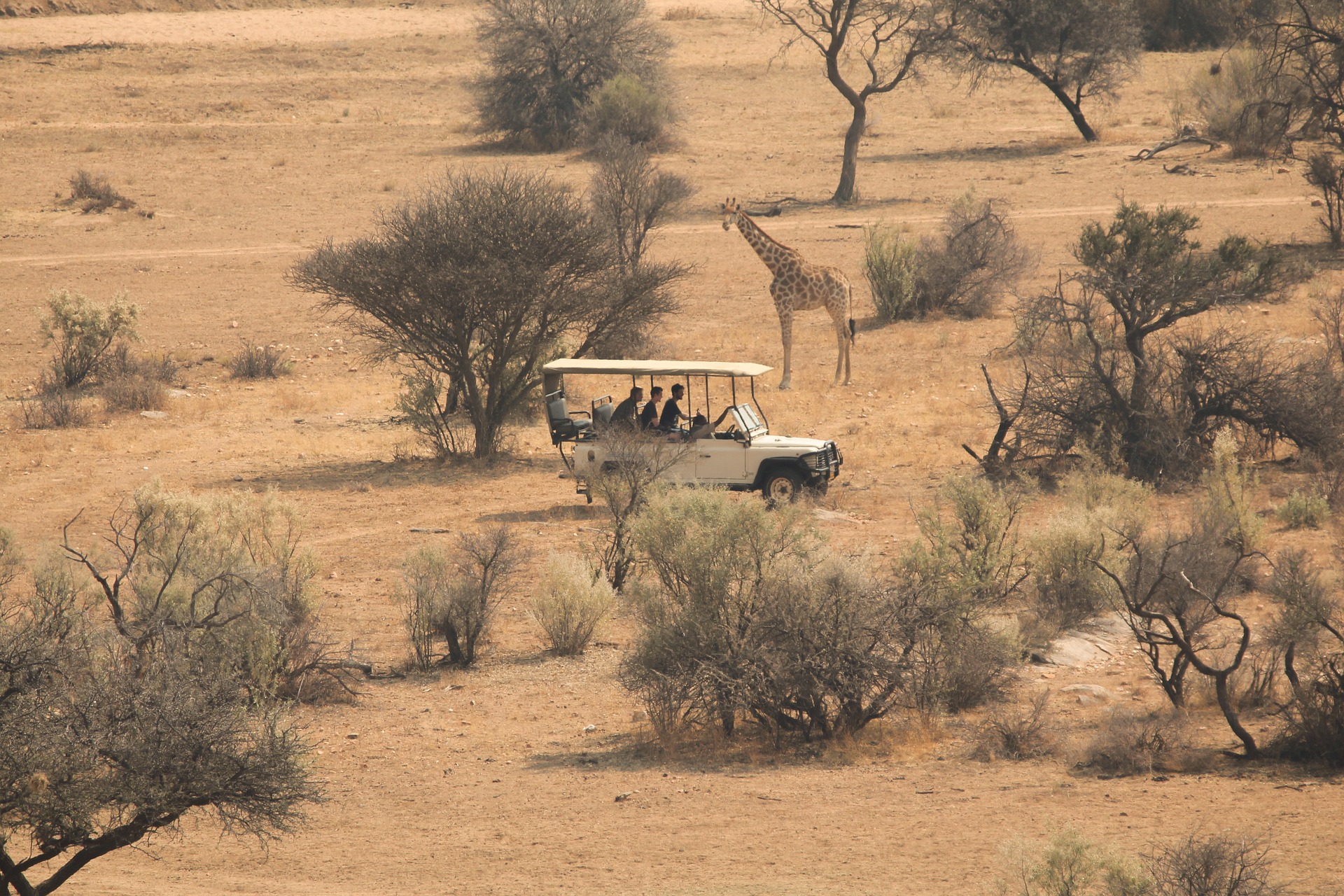
Yes, walking safaris are available in Tarangire, offering an up-close experience with nature and wildlife. These guided walks, led by professional rangers, provide a unique opportunity to observe smaller animals, plants, and tracks that you might miss during a game drive.

How do I get to Tarangire National Park?

Tarangire is easily accessible by road and is located about 120 km (75 miles) southwest of Arusha, which is about a 2-hour drive. It can also be reached by charter flights to nearby airstrips, such as Kuro Airstrip.

Is Tarangire part of the Great Migration?

Tarangire is not part of the famous Serengeti migration, but it has its own mini-migration. During the dry season, large numbers of animals, including elephants, wildebeest, and zebras, migrate into the park from surrounding areas in search of water, particularly around the Tarangire River.

What makes Tarangire different from other parks in Tanzania?

Tarangire’s uniqueness lies in its diverse landscapes, including ancient baobab trees, and its relatively less crowded environment compared to nearby parks like Serengeti and Ngorongoro. Its strong presence of elephants and off-the-beaten-path feel make it a favorite for those seeking a more intimate safari experience.

Are there accommodations in or near Tarangire?

Yes, there are a variety of accommodation options ranging from luxury lodges and tented camps inside the park to more budget-friendly lodges and campsites outside the park. Some lodges even offer elevated views of the Tarangire River and wildlife.

Scroll to Top