
Ngorongoro Crater - Eighth Wonder of the World

The Ngorongoro Crater, often called the “Eighth Wonder of the World,” is a vast volcanic caldera in northern Tanzania. It is part of the larger Ngorongoro Conservation Area (NCA), which is a UNESCO World Heritage Site. The Crater is one of the most popular wildlife destinations in Africa, known for its stunning landscape, rich wildlife, and important role in both natural conservation and cultural heritage.

The Ngorongoro Conservation Area spans from Serengeti National Park in the north, to the Great Rift Valley in the east. In total, the conservation area covers more than 8,000 km² (3,200 sq. miles). It consists of the Ngorongoro Crater, Ndutu, Olduvai Gorge, Empakaai, Olmoti Crater and Oldonyo Lengai Mountain. The mix of forests, valleys, savannah, craters, lakes and swamps is home for a wide range of animals.

Ngorongoro Crater Highlights

Explore Our Favourite Itineraries

Where you'll stay?

Â

Ngorongoro Crater offers a variety of accommodations to suit different budgets and preferences. For luxury, Ngorongoro Crater Lodge and andBeyond Ngorongoro Crater Lodge provide opulent stays with stunning views, personalized service, and lavish dining experiences, all perched on the crater rim. For mid-range options, Ngorongoro Serena Safari Lodge offers comfortable rooms and breathtaking views, blending seamlessly with the natural environment. Budget travelers can opt for more affordable campsites or lodges like Rhino Lodge, which provides cozy rooms and easy access to the crater. Each accommodation ensures a memorable stay, combining comfort with the beauty of Ngorongoro’s wildlife and landscapes.

Natural wonder Ngorongoro Crater

The famous Ngorongoro Crater is the main feature of this area. Two to three million years ago the large volcano exploded and collapsed on itself. As a result the crater formed which then created a unique ecosystem with a wide variety of vegetation.

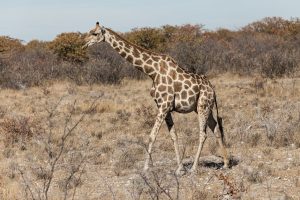
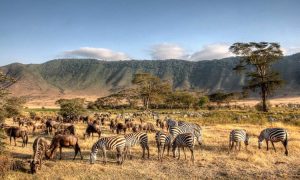
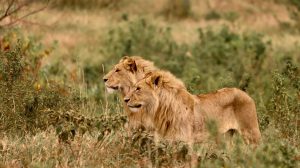
Today the crater is home to the highest concentration of wildlife in Africa. It is home to zebras, buffaloes, warthogs, baboons, elephants, flamingos, ostriches and hippos. You can find a high population of predators, including lions, hyenas, jackals, cheetahs and leopards. And a big attraction of the Ngorongoro Crater are of course the Big Five – buffalo, elephant, leopard, lion, rhino. You can see them all in this 20 kilometres (12,5 miles) wide and 600 metres (2,000 feet) deep crater. Enjoy the variety of animals and beautiful colours of the landscapes. The views from the crater rim over the crater floor are incredible. Because of its natural beauty, the crater is chosen as one of Africa’s Seven Natural Wonders.

Maasai tribe

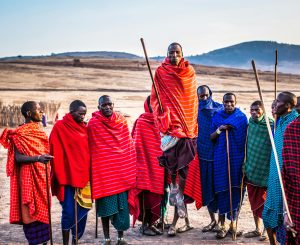
During your safari it is also possible to visit the Maasai tribe. They are allowed to let their livestock graze in this area. If you really want to learn more about the lifestyle and rituals of this fascinating tribe, we recommend you to book a Maasai Tour.

You like to incorporate Ngorongoro Crater into your itinerary? Check our Tanzania safaris for inspiration or contact us for a personal advice.

Excursions and activities in Ngorongoro Conservation Area

Serengeti National Park offers a diverse range of activities that allow visitors to experience the park’s rich wildlife, breathtaking landscapes, and vibrant culture. Whether you’re looking for thrilling encounters with big cats, stunning aerial views of the plains, or an immersive cultural experience, Serengeti has something for everyone.

Frequently asked questions about Ngorongoro Conservation Area

What is the Ngorongoro Conservation Area?

The Ngorongoro Conservation Area (NCA) is a UNESCO World Heritage Site in northern Tanzania, encompassing vast expanses of plains, savannas, forests, and the Ngorongoro Crater. It is unique for its combination of wildlife conservation and human habitation, where the Maasai people live in harmony with nature.

What is the Ngorongoro Crater?

The Ngorongoro Crater is the world’s largest unbroken volcanic caldera, formed millions of years ago. It is about 20 km in diameter and home to a diverse range of wildlife, including lions, elephants, buffalo, zebras, and the critically endangered black rhino.

What animals can I see in the Ngorongoro Conservation Area?

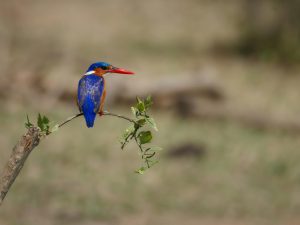
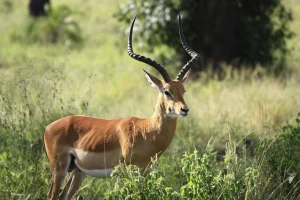
Visitors can see the “Big Five” (lion, leopard, elephant, buffalo, and rhino) in the crater. Other animals include wildebeest, zebras, hippos, gazelles, flamingos, and hyenas. Cheetahs, jackals, and numerous bird species also thrive in the area.

When is the best time to visit Ngorongoro Conservation Area?

The best time to visit is during the dry season from June to October, when wildlife is easier to spot due to the reduced vegetation. However, the area is rich in wildlife year-round, and the wet season (November to April) brings lush landscapes and bird migration.

Can you stay inside the Ngorongoro Crater?

No, overnight stays are not allowed inside the Ngorongoro Crater. However, there are several lodges and campsites located around the crater rim, offering stunning views and easy access for early morning game drives.

What is the significance of the Maasai in the Ngorongoro Conservation Area?

The Maasai people have lived in the area for centuries, and the NCA is one of the few places where wildlife conservation coexists with human habitation. The Maasai continue to practice traditional pastoralism, herding cattle and living semi-nomadic lifestyles.

What is Olduvai Gorge, and can it be visited?

Olduvai Gorge, located within the NCA, is an important archaeological site known as the “Cradle of Mankind.” Fossils of early humans and hominins were discovered here. Visitors can tour the Olduvai Gorge Museum to learn about human evolution and the site’s significance.

Do I need a guide to visit the Ngorongoro Conservation Area?

Yes, to enter the Ngorongoro Crater, you must be accompanied by a licensed guide or join a guided safari. This ensures both safety and a deeper understanding of the area’s wildlife, history, and ecosystems.

How long does it take to explore the Ngorongoro Crater?

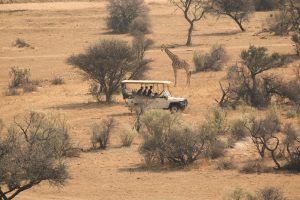
A typical game drive inside the crater lasts between 4 to 6 hours, which is usually sufficient to see most of the wildlife. However, visitors often combine a crater tour with other activities in the conservation area, such as visiting the nearby highlands or Olduvai Gorge.

Is Ngorongoro part of the Serengeti ecosystem?

Yes, the Ngorongoro Conservation Area is adjacent to the Serengeti National Park, and it plays an important role in the Great Migration, especially during the calving season in the southern plains near Ndutu. The area is ecologically connected to the Serengeti.

Scroll to Top