
The Best Times to Climb Kilimanjaro
While Kilimanjaro can be climbed throughout the year, the timing of your trek plays a significant role in shaping the experience. Here’s a detailed look at each season and what you can expect:
January to Mid-March: Warm and Clear
This is one of the warmest periods on Kilimanjaro, making it a popular choice for climbers who prefer milder temperatures. Morning skies are often clear, offering beautiful views, while afternoons might bring brief showers. Although it’s the warmest season, it’s still crucial to prepare for cold temperatures at higher elevations. This time of year is ideal for those seeking fewer crowds but relatively favorable weather conditions.
April to June: Rainy and Challenging
The long rainy season runs from late March to mid-June, and this period is considered the least favorable for climbing. The heavy rains make trails slippery and visibility is often compromised by thick clouds. Many tour operators avoid offering treks during this season due to the unfavorable conditions. If you’re an experienced hiker who enjoys solitude and challenges, the rainy season can offer a unique and tranquil experience, but be prepared for tough conditions.
June to August: Cold but Dry
As the rains taper off by mid-June, the weather becomes drier but colder, especially at night. This period marks the beginning of the high season on Kilimanjaro. June sees fewer crowds, but by July and August, the mountain becomes busier as climbers take advantage of the stable weather. It’s an excellent time to climb if you prefer cooler, crisp conditions and don’t mind bundling up during the chilly nights.
August to October: Peak Season
Late August through September is peak season on Kilimanjaro, with favorable weather attracting climbers from around the world. The trails are busier, but the rewards are clear skies and comfortable trekking conditions. While the temperatures are still cold at higher altitudes, the weather is generally stable, making this period ideal for those who want the best chance of a successful summit.
October to November: Transition to Rain
By late October, the weather starts to change as the short rainy season approaches. Although the number of climbers decreases, the weather becomes less predictable, with afternoon thunderstorms becoming more frequent. Those climbing during this period should be prepared for showers, especially in the forested areas. However, with fewer people on the trails, this can be an appealing option for those seeking a quieter experience.
November to December: Short Rainy Season
The short rainy season spans from early November to mid-December. While not as intense as the long rains, afternoon showers are common, especially in the lower forest zones. The mountain is less crowded, and the misty weather can add a sense of adventure and beauty to the trek. Despite the rain, mornings and evenings can still offer clear skies, providing fantastic photo opportunities of the snow-capped peak against the backdrop of mist-covered valleys.
December to Early January: Festive Climbing
The holiday period around Christmas and New Year is one of the busiest times to climb Kilimanjaro. Despite the likelihood of rain and cloud cover in the lower regions, climbers flock to the mountain to take advantage of the holiday break. If you don’t mind sharing the trail with many others, this period offers a festive atmosphere and a chance to ring in the New Year on Africa’s highest peak.
Weather Considerations: What to Expect
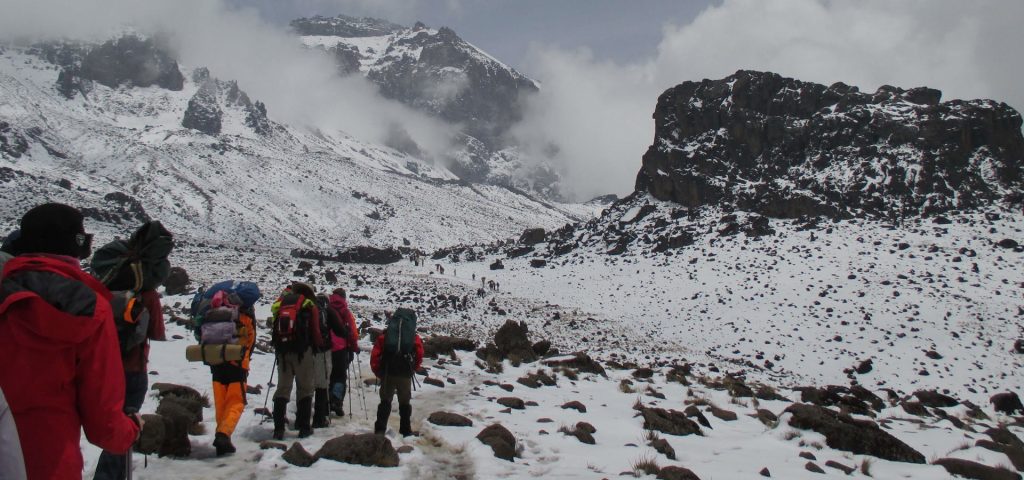
Kilimanjaro’s weather is notorious for being unpredictable. Climbers should always prepare for a wide range of conditions, as the mountain’s climate varies significantly depending on altitude and the time of year. Here’s what to keep in mind:
Rainforest Zone: The base of Kilimanjaro, covered in dense rainforest, is where you are most likely to encounter rain, especially in the afternoons. Conditions can be muddy, so good waterproof gear is essential during the wet seasons.
Moorland and Alpine Desert Zones: As you ascend higher, the terrain changes dramatically, and rainfall decreases. However, temperatures also drop significantly, especially at night. The dry seasons bring clear, sunny days with occasional clouds, while wet seasons may still offer clear skies in the mornings and evenings.
Summit Zone: At the highest altitudes, Kilimanjaro is a harsh, cold environment. Snow and ice are common near the summit year-round, and temperatures can drop well below freezing, especially at night. Regardless of when you climb, it’s essential to be prepared for extreme cold at the summit.
Route Selection: Avoiding the Crowds
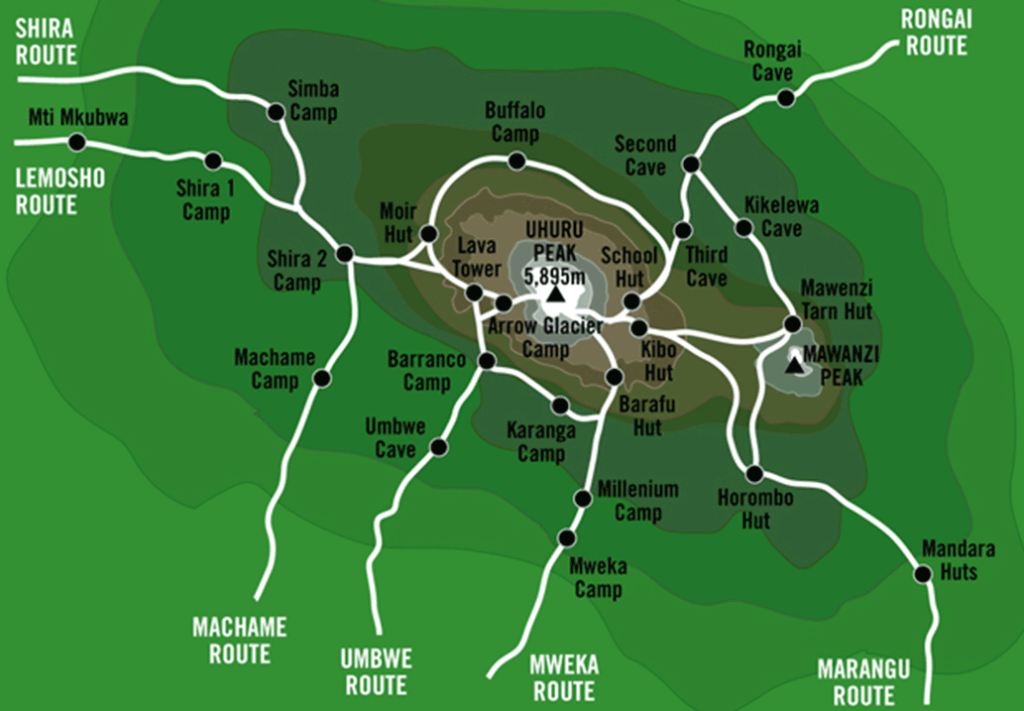
For climbers looking to avoid the busiest routes, choosing the right path is key. Kilimanjaro offers several routes to the summit, each with its own challenges and advantages:
Rongai Route: This is the only route that approaches Kilimanjaro from the north, offering a drier and quieter experience than the southern routes. It’s an excellent choice for climbers who want to avoid the crowds but still have a reasonable chance of summiting successfully.
Northern Circuit Route: One of the longest routes on Kilimanjaro, the Northern Circuit offers stunning panoramic views and fewer climbers. It’s perfect for those looking for a more secluded adventure with plenty of time for acclimatization.
Lemosho Route: Starting on the western side of the mountain, the Lemosho route is known for its scenic beauty and lower traffic compared to the popular Machame and Marangu routes. It’s an excellent option for those looking to take their time and enjoy diverse landscapes.
Machame and Marangu Routes: These are the busiest routes, with Machame being the most popular. They offer shorter trek times, making them appealing to climbers on a tight schedule, but expect crowded trails, especially during peak season.
Summiting Under the Full Moon
Many climbers opt to time their summit with a full moon for a truly unforgettable experience. During a full moon, the glaciers on Kilimanjaro’s peak shimmer in the moonlight, and the bright light can make the night hike to the summit easier. However, the brightness may affect stargazing and sleeping, as the night sky is lit up.
The full moon can also illuminate the landscape, offering unique and breathtaking views during the night-time ascent. Planning your climb around one of these dates can make the summit experience even more memorable.
Summiting Under the Full Moon
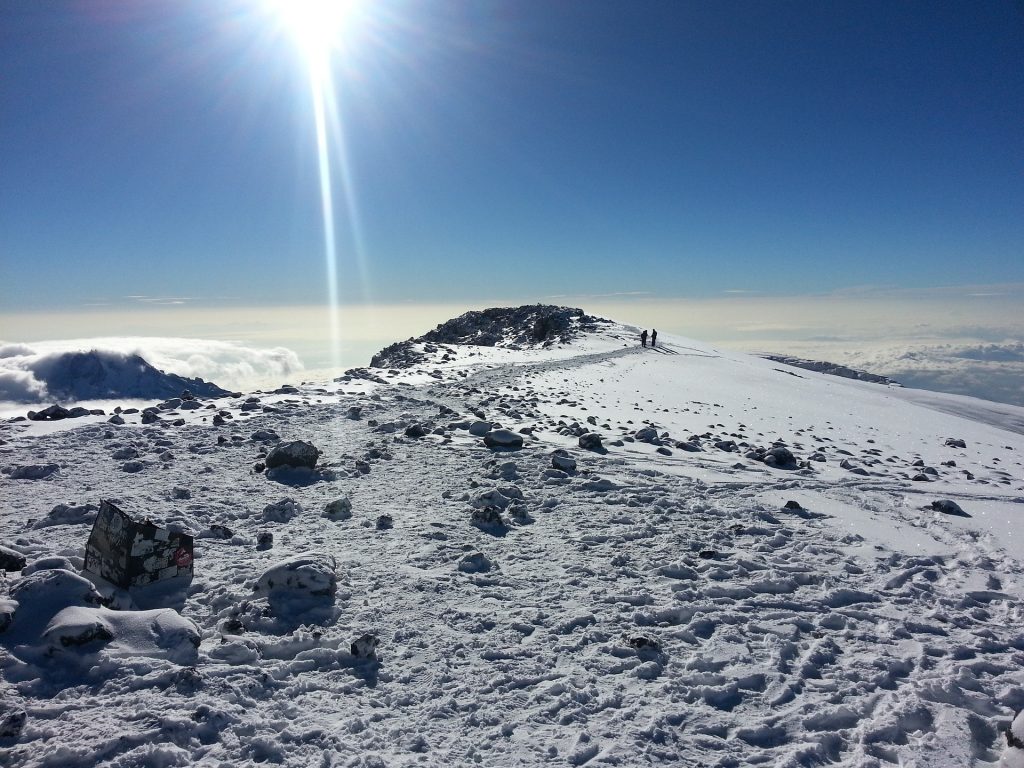
Many climbers opt to time their summit with a full moon for a truly unforgettable experience. During a full moon, the glaciers on Kilimanjaro’s peak shimmer in the moonlight, and the bright light can make the night hike to the summit easier. However, the brightness may affect stargazing and sleeping, as the night sky is lit up.
The full moon can also illuminate the landscape, offering unique and breathtaking views during the night-time ascent. Planning your climb around one of these dates can make the summit experience even more memorable.
Climbing Tips for a Successful Trek
Acclimatization: Kilimanjaro’s high altitude is a major challenge, and proper acclimatization is key to a successful summit. Choose longer routes like Lemosho or Northern Circuit for more time to adjust to the altitude.
Gear: Packing the right gear is essential, especially for dealing with rain, cold, and unpredictable weather. Make sure you have good waterproof clothing, warm layers, and reliable hiking boots.
Training: Kilimanjaro doesn’t require technical climbing skills, but it is still a physically demanding trek. Prior physical training, including cardio and endurance exercises, can help prepare you for the long days of hiking and the thin air at high altitudes.
Hydration and Nutrition: Staying hydrated and eating well are crucial for maintaining energy levels during the climb. Make sure to drink plenty of water and carry high-energy snacks to keep you fueled.
Mental Preparation: The final summit push, which begins in the early morning hours, can be the most mentally and physically challenging part of the trek. Preparing yourself for the long, steep ascent will help you stay focused and motivated as you approach Uhuru Peak.
Climbing Mount Kilimanjaro is a once-in-a-lifetime adventure, and careful planning can make all the difference in your experience. By choosing the right season, route, and approach, you can maximize your chances of a successful summit while enjoying the breathtaking beauty of Africa’s highest mountain.