
Mount Kilimanjaro Climbing
Mount Kilimanjaro, Africa’s tallest mountain at 5,895 meters, is a symbol of natural beauty and adventure. Located in northeastern Tanzania, it attracts trekkers from around the globe. The journey up Kilimanjaro is unique, offering a trek through diverse landscapes from lush rainforests to stark alpine deserts making it a microcosm of the planet’s different climates.
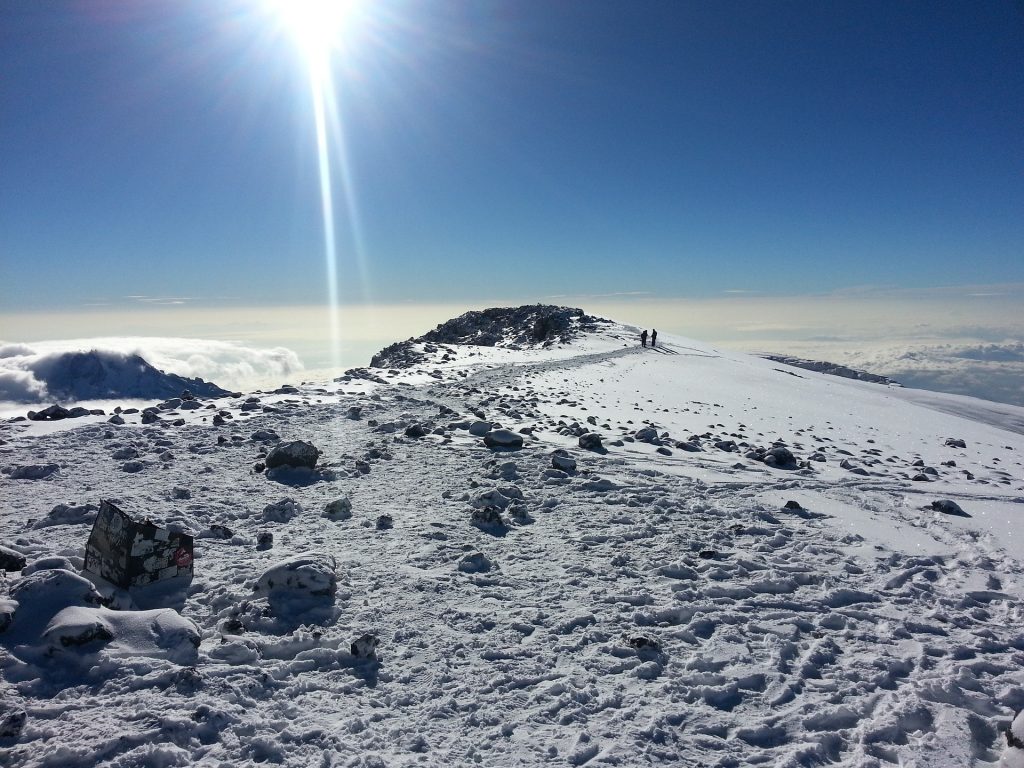
The climb to Kilimanjaro’s summit is challenging but accessible, requiring no technical climbing skills. Trekkers must navigate the effects of altitude, which can be intense, but the reward is worth it. Each step brings a new environment and a new perspective, culminating in the breathtaking view from Uhuru Peak, where glaciers stand in stark contrast to the plains below.
Reaching the summit is a deeply rewarding experience. As the sun rises over Africa, casting light on the glaciers and plains, the sense of achievement is unparalleled. Kilimanjaro offers not just a physical challenge but a journey of personal growth, making it a bucket-list destination for adventurers worldwide.
Facts to know before you climb Kilimanjaro
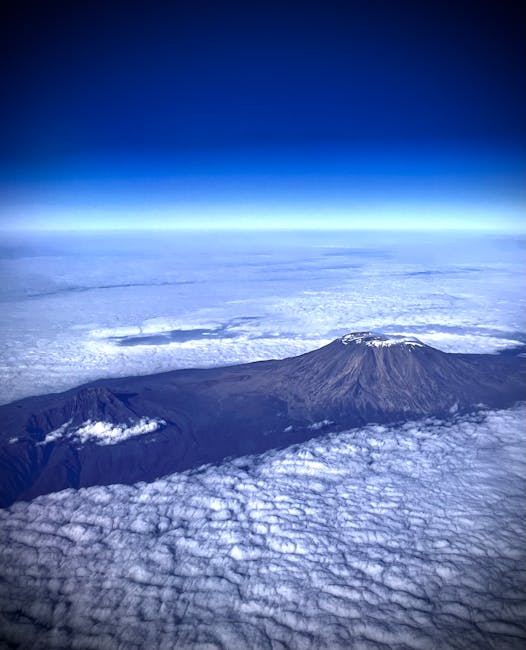
Height
5,895 m/19,340 ft
Peaks
Kibo, Mawenzi, Shira
Conservation status
Kilimanjaro Routes
Â
Trekking Distance
Required Skills
Climate zones
First Climb
Our Recommend Kilimanjaro Climbing Packages
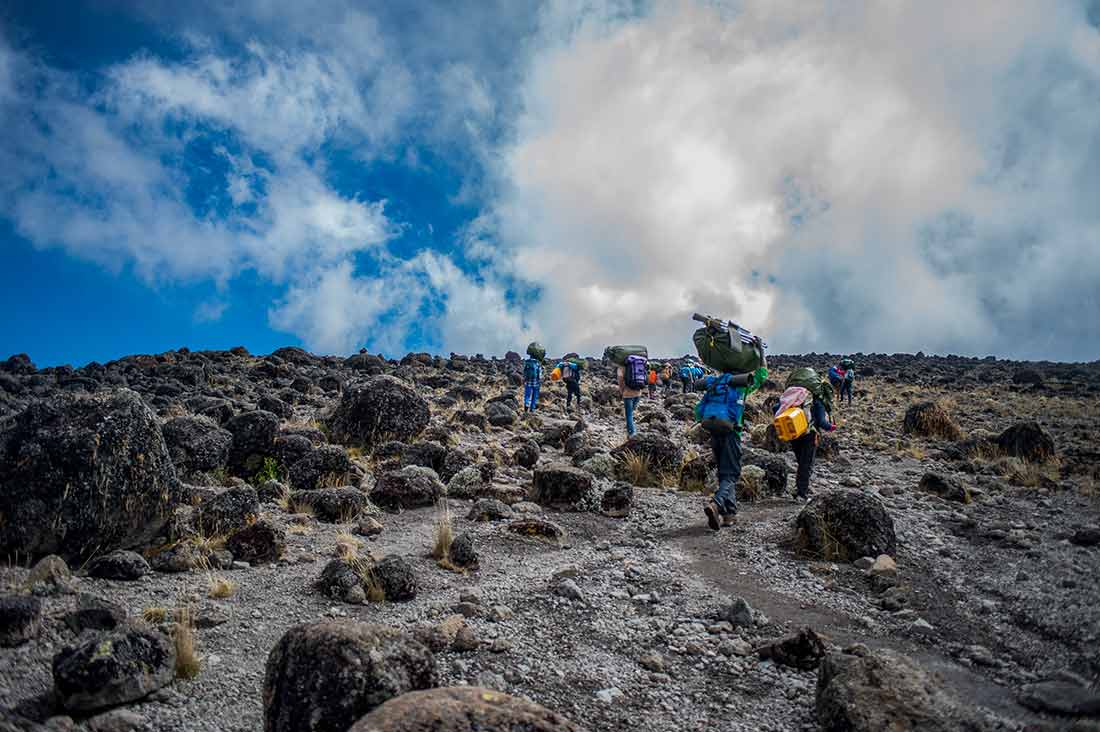
The Lemosho Route is one of the most scenic and less crowded trails to the summit of Mount Kilimanjaro. Starting from the western side, it takes trekkers through lush rainforest, diverse wildlife, and open moorlands before ascending to the alpine desert and glaciated summit. The route’s longer duration allows for better acclimatization, increasing the chances of a successful climb. It typically takes seven to eight days to complete, with plenty of time for rest and exploration.
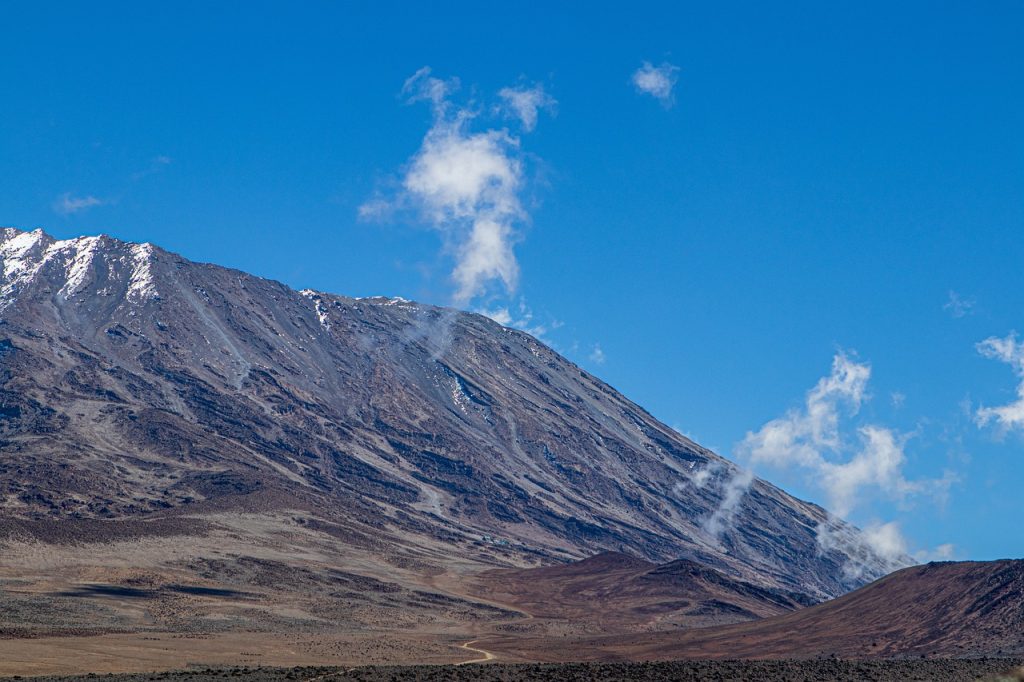
The Lemosho Route is one of the most scenic and less crowded trails to the summit of Mount Kilimanjaro. Starting from the western side, it takes trekkers through lush rainforest, diverse wildlife, and open moorlands before ascending to the alpine desert and glaciated summit. The route’s longer duration allows for better acclimatization, increasing the chances of a successful climb. It typically takes seven to eight days to complete, with plenty of time for rest and exploration.Â
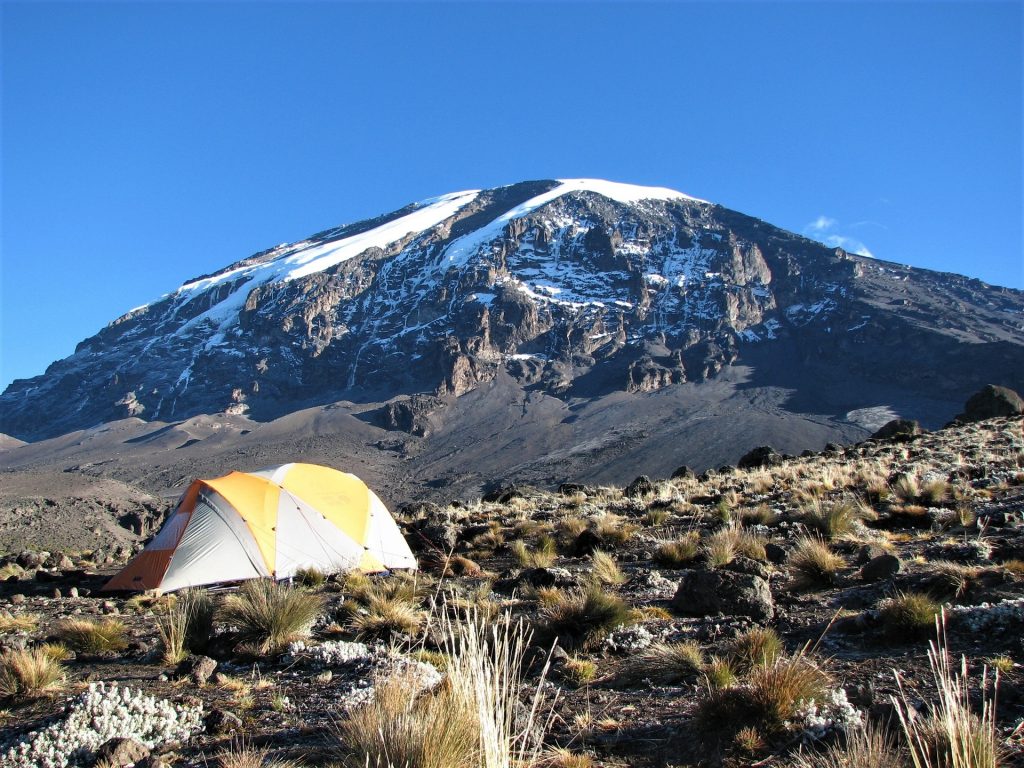
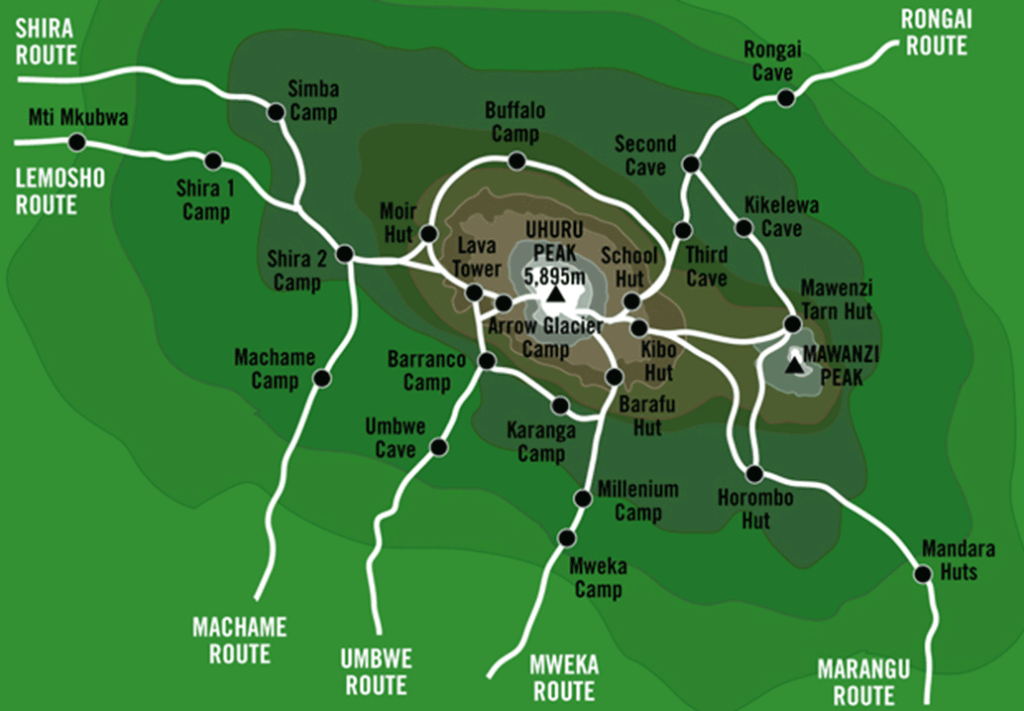
Referred to as the “Whiskey Route,” the Machame route is one of the most popular paths to the summit of Kilimanjaro, boasting a high success rate. This route offers stunning, varied landscapes, beginning with a scenic trek through the rainforest and featuring a gradual ascent that helps with acclimatization. Camping in portable tents is the only form of accommodation throughout the climb. A key feature of the Machame route is the ascent to Lava Tower on day 3, followed by a descent to Barranco Camp for the night.Â
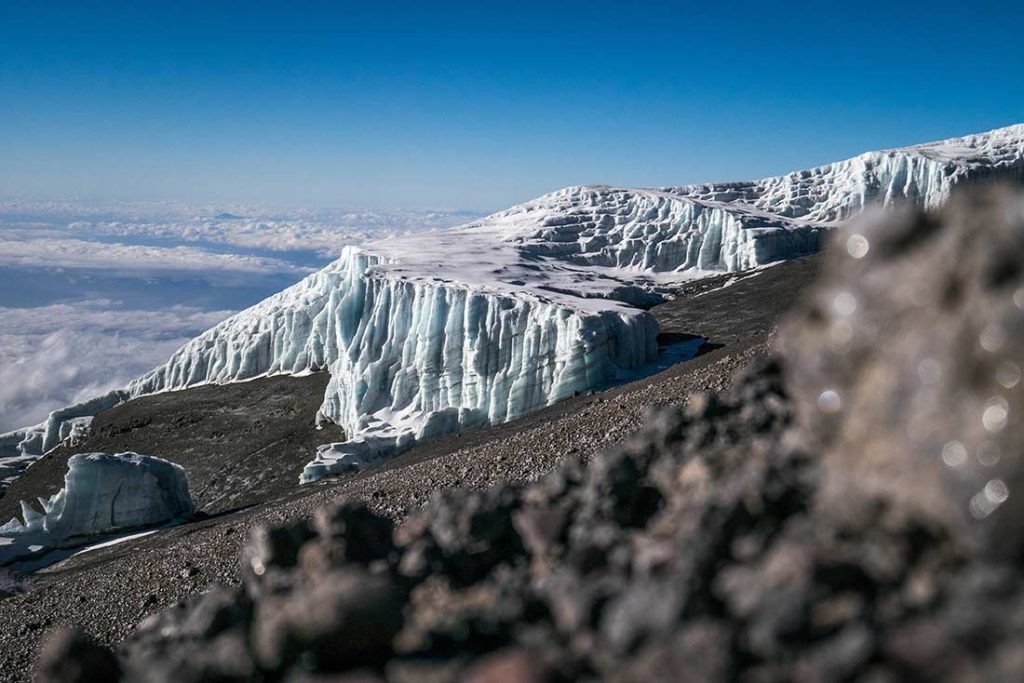
Referred to as the “Whiskey Route,” the Machame route is one of the most popular paths to the summit of Kilimanjaro, boasting a high success rate. This route offers stunning, varied landscapes, beginning with a scenic trek through the rainforest and featuring a gradual ascent that helps with acclimatization. Camping in portable tents is the only form of accommodation throughout the climb. A key feature of the Machame route is the ascent to Lava Tower on day 3, followed by a descent to Barranco Camp for the night.Â
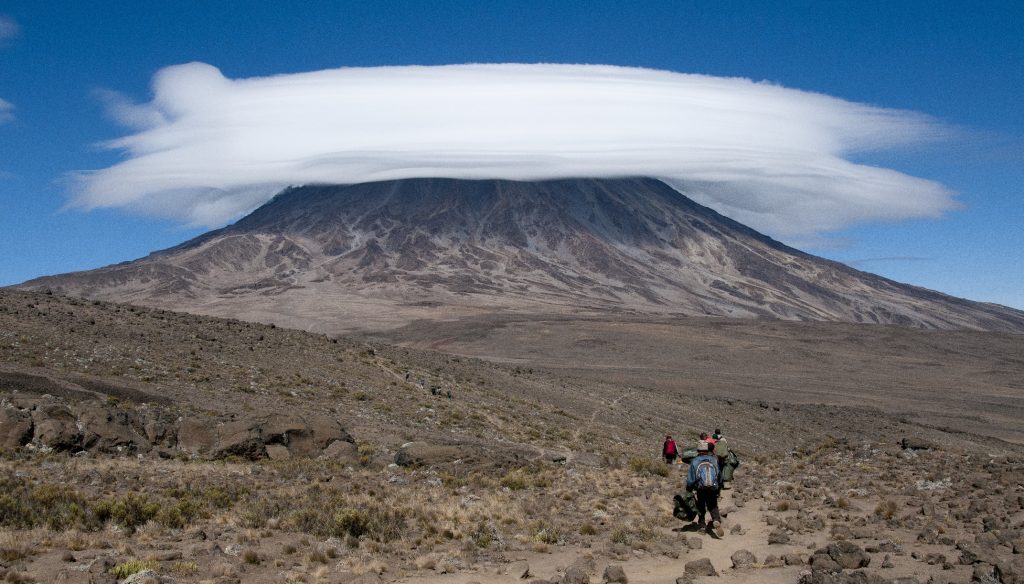
The Rongai route is an excellent alternative to the Marangu route, offering more shelter from the weather and high winds. It is particularly advantageous during the rainy season due to its location, which receives less rain and typically has lower traffic than other routes. This route is generally considered the easiest of the quality routes on the mountain, making it ideal for those seeking a decent quality experience without being highly confident in their fitness or mountain climbing experience. Although it can be climbed in 6 days, a 7-day trek is recommended for better acclimatization.
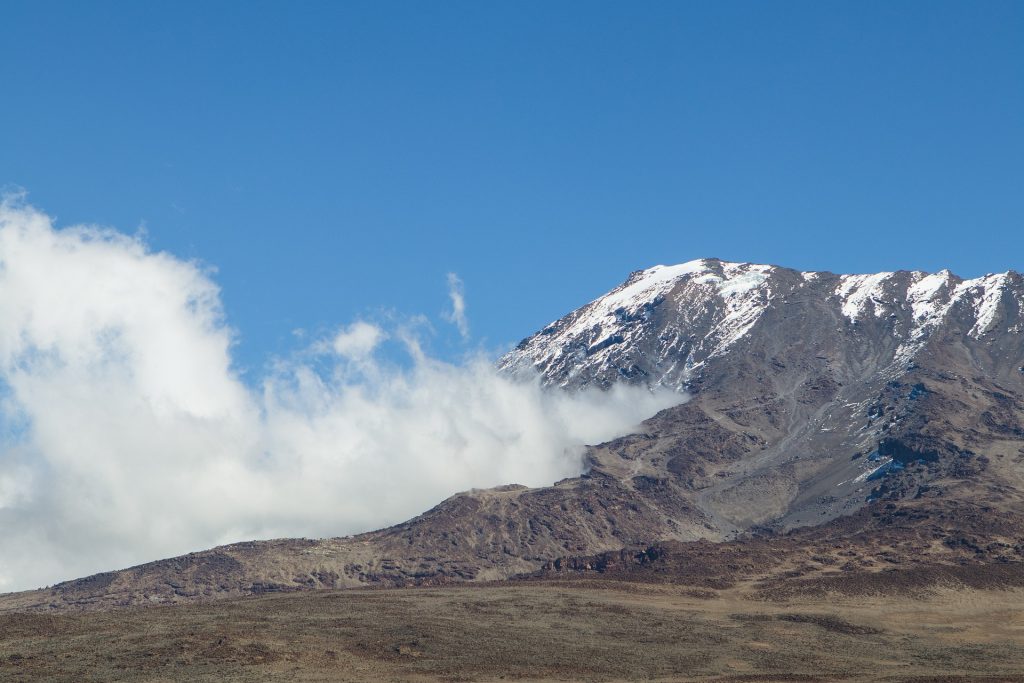
The Rongai route is an excellent alternative to the Marangu route, offering more shelter from the weather and high winds. It is particularly advantageous during the rainy season due to its location, which receives less rain and typically has lower traffic than other routes. This route is generally considered the easiest of the quality routes on the mountain, making it ideal for those seeking a decent quality experience without being highly confident in their fitness or mountain climbing experience. Although it can be climbed in 6 days, a 7-day trek is recommended for better acclimatization.
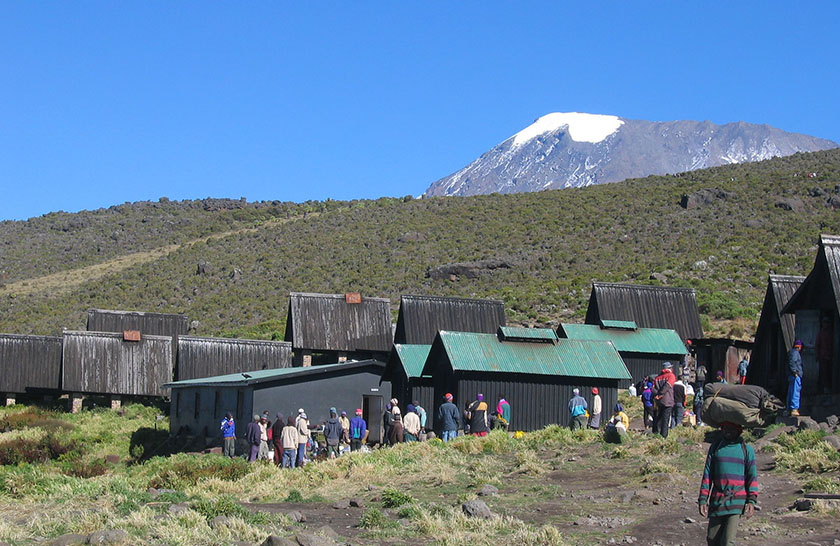
The Marangu Route, known as the ‘Coca-Cola Route,’ is one of the most popular and oldest paths to the summit of Mount Kilimanjaro. It is widely favored for being the easiest and shortest route, thanks to its gradual incline and lack of technical climbing requirements. Many hikers choose Marangu for a less demanding climb, though it is not as scenic as other routes on the mountain.
The Marangu Route, known as the ‘Coca-Cola Route,’ is one of the most popular and oldest paths to the summit of Mount Kilimanjaro. It is widely favored for being the easiest and shortest route, thanks to its gradual incline and lack of technical climbing requirements. Many hikers choose Marangu for a less demanding climb, though it is not as scenic as other routes on the mountain.
The Umbwe Route is a short, steep, and direct path on the southern side of Mount Kilimanjaro. Known as one of the most scenic and challenging routes, its difficulty comes from the steep, muddy terrain during the first two days. Due to the rapid ascent, it offers limited time for acclimatization, making it a tough choice with lower success rates. As a result, this route is only recommended for experienced and well-trained climbers. The route is completed over a 6-day/5-night trek.
The Northern Circuit is the longest route to the summit of Mount Kilimanjaro, offering a beautiful and scenic journey with the highest success rates. Though it’s the most expensive option, it provides climbers with more time for acclimatization and an incredibly high chance of reaching the summit. The trek begins at Londorossi Gate in the west and follows the Lemosho Route for the first two days. After crossing the Shira Plateau, the path diverts north near Lava Tower, following the quieter Northern Circuit instead of the popular Southern Circuit through Barranco Valley
Kilimanjaro Itineraries
Kilimanjaro National Park is a prime destination for those seeking an adventurous challenge. In this guide, we cover everything you need to know about your Mount Kilimanjaro trek, including our top itineraries and essential tips for preparing for the adventure of a lifetime.
Choosing the right route is crucial once you’ve decided to climb Mount Kilimanjaro. There are seven main routes to the summit: one starts on the Northern side and six on the Southern side. Tanzania Specialist offers climbing itineraries for all these routes. The key is selecting the route that best suits your preferences and experience level.
Kilimanjaro Climbing Routes: Overview
- Best for Beginners: Marangu or Machame Routes
- Spectacular Scenery: Lemosho or Machame Routes
- Budget-Friendly for Beginners: Marangu Route
- Moderate Hikers: Machame or Lemosho Routes
- Expert Hikers: Umbwe Route
- Most Popular: Machame Route
- Longest Route: Northern Circuit
- During Rainy Season: Rongai Route
- Highest Success Rate: 8-day Lemosho Route or 9-day Northern Circuit
What to Expect on Kilimanjaro
Post-lunch, you’ll have some downtime before embarking on a brief acclimatization hike, an essential hour-long walk to help your body adjust to the altitude. This acclimatization is crucial for preparing for the summit attempt. After returning, you’ll have some leisure time before dinner, served around 7:00 PM. Evenings are for relaxing, socializing with fellow climbers, and enjoying the stunning surroundings. A mandatory health check will be conducted before lights out, which is typically between 9:00 and 10:00 PM. This daily routine is generally followed except for the night before the summit attempt.
How Long Does It Take to Climb Kilimanjaro?
How Hard Is It to Climb Kilimanjaro?
Can a Beginner Climb Kilimanjaro?
ARE YOU READY TO CLIMB MOUNT KILIMANJARO? PLEASE REACH US !!
A fun fact about Mount Kilimanjaro is that it’s the only place on Earth where you can walk from the equator to the Arctic in just a few days! As you ascend the mountain, you pass through five distinct climate zones, ranging from lush rainforest at the base to the snowy, glacier-covered summit. This makes Kilimanjaro a unique trekking experience with an incredible variety of landscapes in a relatively short distance.
Popular Questions about Mount Kilimanjaro climbing
What is the Best Time to Climb Kilimanjaro?
Climbing Mount Kilimanjaro is possible throughout the year, but choosing the right time can enhance your experience. At Tanzania Specialist, we offer tailored advice to help you plan your trek according to your preferences and needs.
The prime climbing seasons are during the dry months: December to March and June to October. December to March is typically warmer with clearer skies and less snow on the trails, making February particularly favorable due to higher temperatures and lower rainfall. From June to October, temperatures drop and the trails become busier, but the conditions remain generally favorable for trekking.
The rainy season, which occurs outside these dry periods, brings wet and slippery conditions with reduced visibility. While this season is less popular among climbers, it offers advantages such as fewer crowds and a more serene environment for those willing to brave the elements.
How to Prepare for Climbing Kilimanjaro?
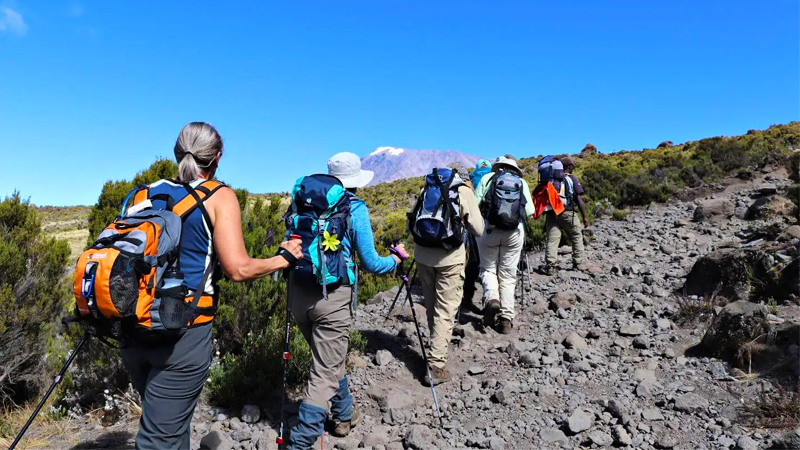
Regardless of the route you choose, be prepared for 6-7 hours of walking each day on Mount Kilimanjaro. Adequate preparation is essential, so in the months leading up to your climb, focus on long hikes to build stamina for sustained effort. Incorporating regular long hikes into your routine will help you adapt to the physical demands of the trek.
Additionally, activities like yoga and breathing exercises can be beneficial. These practices help strengthen your muscles, improve flexibility, and enhance your overall physical and mental endurance, ensuring you are well-prepared for the challenges of climbing Kilimanjaro.
How Should I Train for a Mount Kilimanjaro Climb?
Maintaining a good level of fitness is essential for climbing Kilimanjaro, but you don’t need to be an athlete to reach the summit. Generally, if you can comfortably hike 8-10 km (5-6.2 miles), you’re fit enough to tackle Kilimanjaro. Running is an excellent way to prepare for the hike. Aim to build up to confidently jogging 4-5 km (2.5-3.1 miles).
Swimming is another great exercise to complement your training. It strengthens your entire body and boosts cardiovascular endurance, which is crucial for long treks. While running focuses primarily on leg endurance, swimming engages your arms, core, and legs simultaneously. Plus, the buoyancy of water helps protect your joints during exercise.
If you have access to rural areas with rough hiking trails, take advantage of them. Aim for longer hikes, ideally in the 10-15 km (6-10 mile) range. Since much of the Kilimanjaro trek is uphill, training on these types of trails will better prepare you for the climb to the Roof of Africa.
What is the food like on a Kilimanjaro climb?
On a Kilimanjaro trek with Us, every climber enjoys a balanced diet specifically designed for the mountain environment. Our menu is rich in calories and carbohydrates to ensure you have plenty of energy throughout your climb.
For breakfast, we offer porridge, pancakes, fruit, eggs, sausages, and toast with jam. Lunch and dinner feature hearty soups like butternut, tomato, leek, vegetable, and beef, along with potato dishes, spaghetti, chicken, stews, fresh vegetable salads, and avocado. Each meal is accompanied by delicious sauces and dressings. For dessert, we serve mangoes, bananas, pineapple, and oranges, providing essential vitamins and minerals. Coffee and tea are always available at camp.
We also offer extended meal plans for vegetarians, vegans, and gluten-free climbers and will do our best to accommodate other dietary needs.
During the trek, our guides will frequently stop for tea with biscuits. However, climbing Kilimanjaro requires a lot of energy, so we recommend bringing snacks like energy bars, dried fruits, and high-calorie treats. It’s best to purchase these items at home, as there may be a wider selection available in your country compared to Tanzania.